In a world driven by global commerce and industry, the packaging you choose is a direct reflection of your product’s quality and your brand’s reliability. For bulk goods, there is no substitute for the strength and resilience of woven polypropylene bags. Selecting the right woven bags manufacturer is a critical business decision that impacts your supply chain, product safety, and bottom line. A great manufacturer does not just create bags; they engineer solutions, providing a durable container that protects your goods from the factory floor to the final destination.
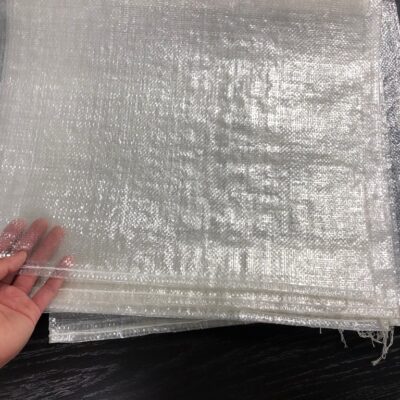
The process of manufacturing woven bags is a testament to industrial ingenuity. It begins with polypropylene resin, which is melted and extruded into thin tapes. These tapes are then loaded onto massive circular looms that weave them together into a strong, seamless tube of fabric. This method creates a material with exceptional tensile strength and resistance to punctures and tears. A manufacturer’s expertise is evident in the consistency of the weave, the quality of the raw materials, and the precision of the finishing process, which includes cutting, stitching, and printing.
Key Qualities of a Top Tier Woven Bags Manufacturer
What separates an average manufacturer from a great one? The first quality is an unwavering commitment to quality control. This means rigorous testing of raw materials, constant monitoring of the weaving process, and detailed inspection of the final product. A top tier manufacturer should be able to provide specifications on fabric weight (GSM), UV protection, and load capacity, and stand behind those numbers. They should have a quality assurance team dedicated to ensuring every bag that leaves their facility meets or exceeds industry standards.
The second key quality is technological investment. The best manufacturers utilize modern, well maintained machinery to produce a consistent and superior product. Advanced looms create a tighter, more uniform weave, while precision cutting and automated stitching ensure every bag is made to the correct dimensions with strong seams. State of the art printing technology allows for clear, durable branding that withstands the rigors of shipping and handling. When you partner with a manufacturer who invests in their equipment, you are investing in a better, more reliable product.
The Importance of Material Science and Innovation
The field of industrial packaging is constantly evolving, and a forward thinking woven bags manufacturer stays ahead of the curve. This involves a deep understanding of material science. For example, the addition of UV inhibitors to the polypropylene resin is crucial for bags that will be exposed to sunlight, preventing the material from becoming brittle and failing over time. Different applications may require different types of weaves or special coatings for moisture resistance or anti slip properties.
Innovation also extends to sustainability. Leading manufacturers are exploring ways to incorporate recycled content into their products without compromising on strength. They are optimizing their production processes to reduce waste and energy consumption. By choosing a manufacturer that prioritizes innovation, you gain access to the latest advancements in packaging technology, ensuring you have the most effective and responsible solution for your products. A manufacturer like bag2pack is committed to exploring these innovations to provide clients with the best options available on the market.
Building a Partnership for Success
Ultimately, your relationship with a woven bags manufacturer should be a partnership. You need a supplier who listens to your needs, understands your industry, and works collaboratively to create the perfect packaging solution. This means responsive customer service, clear communication, and a willingness to develop custom products. A true partner will offer expert advice on everything from bag design and material selection to logistics and printing options.
They become an extension of your team, dedicated to ensuring your products are packaged safely and efficiently. This collaborative approach builds trust and leads to long term success. Before you make a decision, ask potential manufacturers about their process for handling custom orders, their communication protocols, and their track record with clients in your industry. The right partner will not just sell you bags; they will provide peace of mind and contribute to the smooth operation of your entire business.
Frequently Asked Questions
- What does GSM mean in the context of woven bags? GSM stands for Grams per Square Meter. It is a measurement of the fabric’s density and weight. A higher GSM indicates a thicker, heavier, and generally stronger fabric, making it suitable for carrying heavier loads.
- Can I get a sample before placing a large order? Yes, any reputable woven bags manufacturer will be happy to provide samples of their work. This allows you to assess the quality of the material, the strength of the stitching, and the clarity of the printing before committing to a full production run.
- What is the difference between a gusseted bag and a flat bag? A flat bag is a simple two panel bag stitched on the sides and bottom. A gusseted bag has additional panels of fabric on the sides or bottom, which allow the bag to expand and stand upright more easily when filled, providing a more structured shape.
- Are there different types of stitching available for woven bags? Yes, the type of stitching affects the bag’s strength. Common types include single chain stitch and double chain stitch. For heavy duty applications, double stitching at the seams is often recommended for maximum durability and to prevent seam failure.
- How are woven bags environmentally friendlier than other options? Woven polypropylene bags are extremely durable and can be reused multiple times. They are also recyclable at facilities that accept number 5 plastics. Their strength means less product is lost due to packaging failure, reducing overall waste in the supply chain.
 BAG2PACK
Leave a comment