In the competitive arena of retail and consumer goods, every brand touchpoint is a strategic asset. Among the most underutilized of these assets is the shopping bag itself. The ascendance of the woven polypropylene bag marks a paradigm shift in how companies approach this final point of contact. Far more than a simple container, the modern woven bag is a testament to engineering, a durable tool for the consumer, and a sophisticated canvas for brand storytelling. Its unique construction provides a combination of strength, longevity, and print fidelity that other materials cannot match, making it the superior choice for businesses seeking to make a lasting impression.
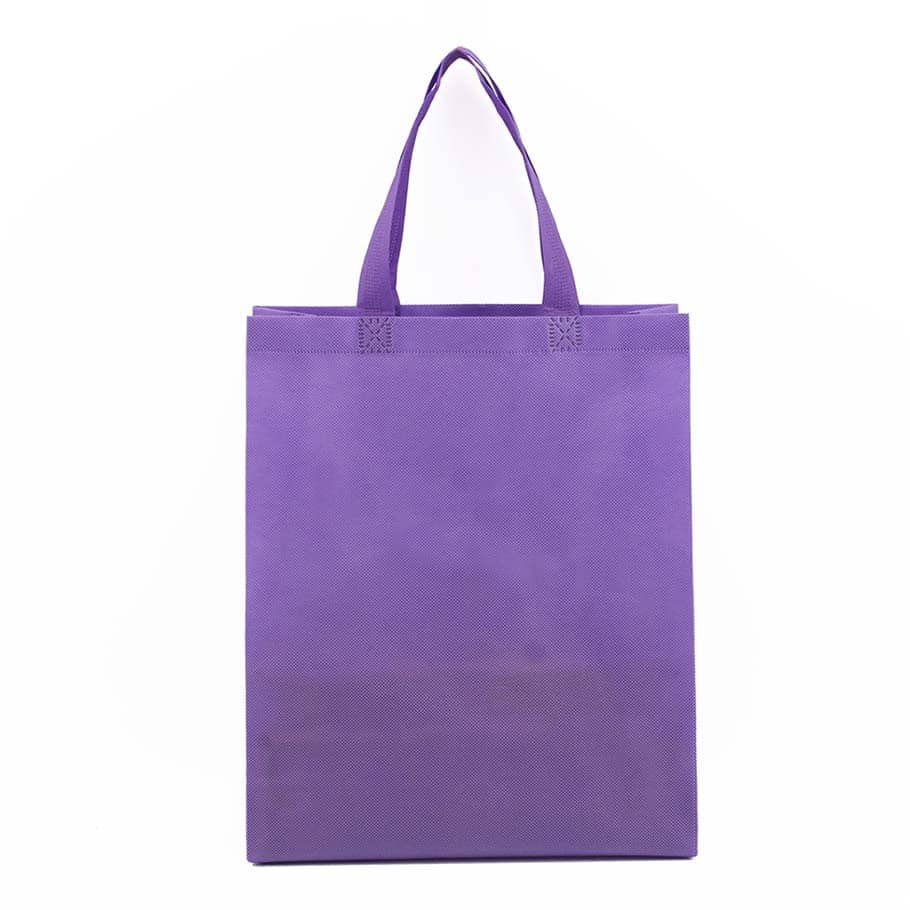
The core advantage of woven bags lies in their material science. Polypropylene threads are woven together to create a fabric like material of exceptional strength and resilience. Unlike its non woven counterpart, which is bonded chemically or thermally, the interwoven structure of a woven bag distributes stress evenly across its surface. This allows it to carry significant weight without tearing or stretching, a critical feature for grocery retailers, hardware stores, and other businesses whose products are dense or bulky. In a climate like Dubai’s, this durability extends to resisting degradation from sun and humidity. A consumer who trusts their bag to carry their most important purchases develops a parallel trust in the brand that provided it.
This structural integrity is the foundation for the bag’s second key advantage: its extended lifespan. A well constructed woven bag can withstand hundreds of uses, remaining a part of a customer’s daily routine for years. This reusability is the cornerstone of its value as a marketing vehicle. Every trip to a competitor’s store, to the park, or to a public event becomes an opportunity for brand exposure. The bag effectively transforms a customer into a brand ambassador. This long term visibility offers an unparalleled return on investment when compared to the ephemeral nature of digital ads or the immediate disposal of single use packaging. The investment in a quality woven bag pays dividends long after the initial transaction is complete.
Furthermore, the surface of a woven bag is uniquely suited for high quality, detailed printing. The lamination process often applied to these bags creates a smooth, taut surface that can accommodate complex, multi color graphics, including photorealistic images. This allows marketers to move beyond a simple logo and create visually stunning designs that capture the essence of their brand. For a luxury retailer, this could mean a bag that mimics the texture and sheen of its products. For a travel company, it could be a vibrant, aspirational landscape. Bag2Pack specializes in leveraging advanced printing techniques to ensure that the final product is not just a bag, but a piece of portable art that customers are proud to carry. This high level of aesthetic execution elevates the perceived value of both the bag and the brand itself.
Analyzing the economics reveals a compelling case. A business must evaluate its packaging not on unit cost alone, but on the cost per impression. A disposable plastic bag offers one impression and is then discarded. A woven bag, used weekly for two years, offers over one hundred impressions, in addition to countless passive views from others. When factoring in the high impact visual quality, the cost per meaningful engagement becomes exceptionally low. In sectors like the grocery industry in the UAE, where large weekly shops are common, providing a reliable, branded woven bag is a strategic move that builds habit and reinforces brand preference in a highly competitive market.
The woven bag is therefore not a commodity but a strategic choice. It represents a commitment to quality, an understanding of the consumer’s need for durable goods, and a savvy marketing investment. It signals that a brand thinks beyond the immediate sale and is invested in providing lasting value. By partnering with a specialist like Bag2Pack, companies can design and procure woven bags that are not only compliant with environmental standards but are also precision engineered to enhance their brand and secure a lasting place in the lives of their customers.
Frequently Asked Questions
- What makes woven polypropylene bags from Bag2Pack so durable? The durability of our woven bags comes from their unique construction. We use high grade polypropylene threads that are tightly interwoven to create a strong, resilient fabric. This structure allows the bag to handle heavy loads without tearing and to withstand repeated use, making it an ideal long term solution for customers in demanding environments like Dubai.
- Can Bag2Pack print high resolution images on woven bags? Yes, one of the primary advantages of our woven bags is their superior print quality. We typically apply a lamination layer that creates a perfect, smooth surface for advanced printing techniques, including full color CMYK process printing. This allows us to reproduce complex designs, logos, and even photographic images with exceptional clarity and vibrancy.
- Are woven bags a cost effective marketing tool for our business? Woven bags offer one of the lowest costs per impression of any marketing tool. While the initial unit cost is higher than a disposable bag, their long lifespan and high visibility mean they are seen thousands of times over several years. This transforms a packaging cost into a highly efficient marketing investment, turning your customers into mobile brand advocates.
- How do woven bags fit into a company’s sustainability strategy? Woven bags are a cornerstone of a robust sustainability strategy. Their extreme durability promotes a cycle of reuse, drastically reducing the demand for single use bags. By providing a high quality woven bag, your company encourages sustainable consumer behavior and visibly demonstrates its commitment to reducing waste, aligning with the UAE’s environmental goals.
- What industries benefit most from using Bag2Pack’s custom woven bags? While versatile, woven bags are particularly beneficial for industries where customers carry heavy or bulky items. This includes supermarkets, hypermarkets, hardware stores, beverage retailers, and home goods stores. They are also ideal for events and exhibitions as premium giveaway items that attendees will value and reuse for a long time.
 BAG2PACK
Leave a comment